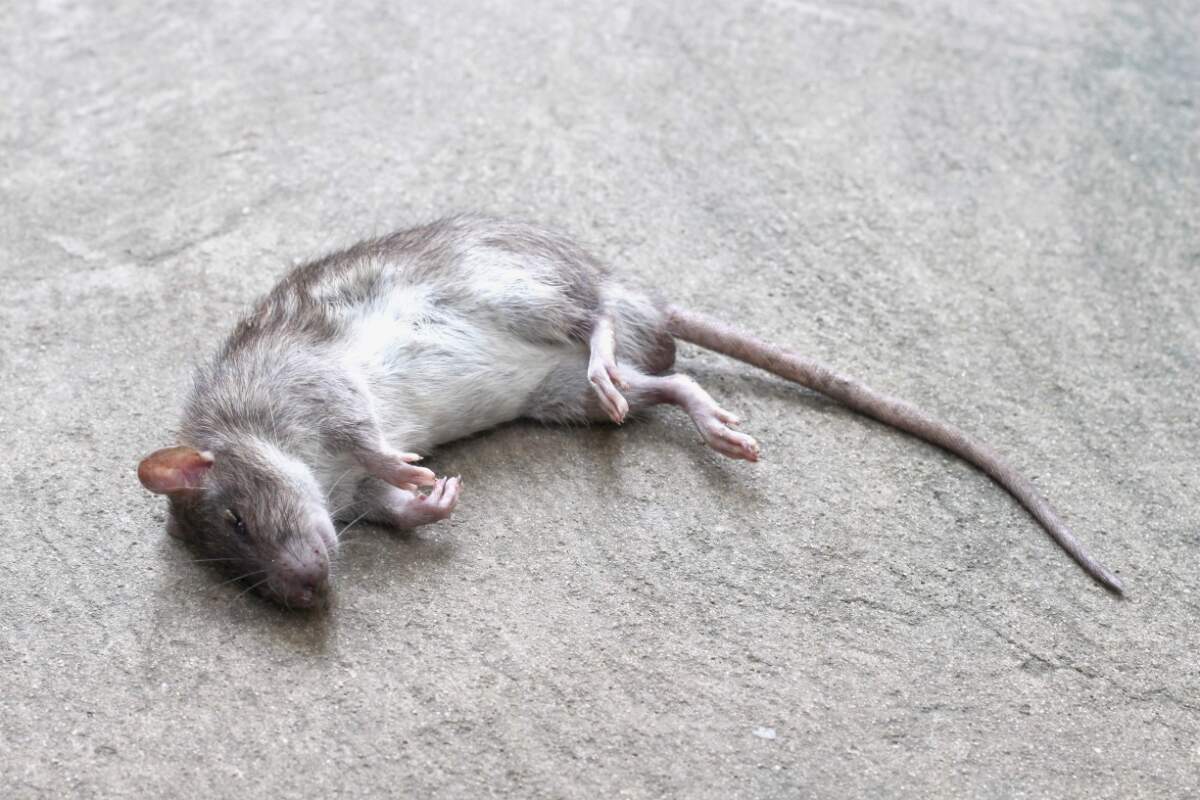
The faint, unpleasant odor starts small, a whiff here and there that you can’t quite trace. Then, within days, the smell becomes unbearable, filling the room with the unmistakable stench of decay. You realize with dread: there’s a dead mouse in the wall.
It’s a revolting situation that every homeowner dreads. The idea of a dead animal decomposing behind your drywall is disturbing, and the smell can quickly take over your living space. But before you panic or start tearing down walls, take a deep breath. The good news is that this is a temporary problem and with the right approach, you can get through it without major damage or expense.
This comprehensive guide explains what a dead mouse smells like, how long it lasts, how to eliminate it effectively, and how to prevent it from happening again.
What Does a Dead Mouse Smell Like?
If you’ve never experienced it before, the smell of a dead mouse can be hard to identify at first. It begins as an odd, rancid odor in an unexpected part of your home maybe a corner, wall, or vent that usually smells neutral. As time passes, it intensifies into a sickly-sweet, rotten scent similar to decaying cabbage or spoiled meat.
The scent is unique because it carries the unmistakable note of decomposition. It’s often strongest in enclosed or warm areas like walls, attics, or crawl spaces where air circulation is limited.
So if you notice a persistent, putrid odor that won’t go away, especially after ruling out trash or plumbing issues, a deceased rodent is likely the culprit.
How Long Does the Dead Mouse Smell Last?
A dead rodent smell typically lasts from one to two weeks, though this can vary depending on several factors:
-
Size of the animal: Larger rodents, such as rats or squirrels, take longer to decompose.
-
Temperature: Warm, humid environments accelerate decomposition and intensify the smell.
-
Air circulation: Poor airflow traps odor molecules inside your home, prolonging the smell.
-
Accessibility: If the carcass is trapped deep inside a wall, natural decomposition may take longer to complete.
In most cases, the smell begins to fade naturally after two weeks as the organic matter fully breaks down. However, you don’t have to suffer in silence while waiting for it to vanish.
How to Get Rid of Dead Mouse Smell Quickly
When removing the carcass isn’t possible without opening walls, your best option is to neutralize and absorb the odor until nature takes its course. Avoid simply masking the scent — the goal is to eliminate it.
1. Identify the Source Area
Walk around the affected rooms and note where the odor is strongest. Focus near electrical outlets, baseboards, or vents. This helps you determine which part of the wall or ceiling is likely harboring the dead mouse.
2. Use Odor Absorbers, Not Just Air Fresheners
Many homeowners grab an air freshener, but that often makes the smell worse by mixing artificial fragrance with decay. Instead, use natural odor absorbers like:
-
Dry coffee grounds: Excellent for absorbing and masking strong odors.
-
Activated charcoal bags: Powerful at neutralizing organic smells.
-
Baking soda: A classic home remedy that absorbs unpleasant odors effectively.
-
Odor remover bags or enzymatic sprays: These target organic compounds responsible for decomposition smells.
-
Air ionizers or purifiers: For a more advanced (and faster) solution, invest in an air purifier with an activated carbon filter.
Place these near vents, baseboards, or anywhere the smell is strongest.
3. Improve Airflow
Open windows and doors to encourage ventilation. Use fans to circulate air out of the affected area. This helps speed up odor dissipation.
4. Clean Nearby Surfaces
Even if the carcass is inside the wall, odor molecules can cling to nearby surfaces. Wipe down walls, floors, and furniture with disinfectant or vinegar-water solutions to minimize lingering smell.
5. Be Patient
Unfortunately, decomposition must complete naturally. Within 7–14 days, the smell will lessen dramatically. Continue using odor absorbers and purifiers during this time.
Preventing Future Dead Mouse Smells
The best way to handle this problem is to prevent it from happening again. Once the immediate issue is under control, take steps to rodent-proof your home.
1. Seal Entry Points
Hire a critter control or pest exclusion company to inspect your home’s exterior. They’ll identify and seal potential entry points such as:
-
Gaps where pipes or cables enter the home
-
Openings around windows, vents, and doors
-
Cracks in foundations or walls
Professionals often use metal mesh or sealant to close gaps securely, keeping rodents from sneaking in.
2. Avoid Poison
While poison may seem effective, it’s a temporary and risky solution. Poisoned mice often die inside inaccessible walls, creating the same odor problem again. Moreover, toxic chemicals can endanger pets and children.
Instead, use humane traps or hire pest control companies that practice green pest management, using non-toxic or low-toxicity methods to remove rodents safely.
3. Keep Your Home Clean and Uninviting
Store food in airtight containers, take out trash regularly, and keep pet food sealed. Clean up crumbs and spills quickly. A tidy home reduces the likelihood of attracting rodents in the first place.
When to Call a Professional
If the smell persists for more than two weeks or becomes overwhelming despite your efforts, it’s time to call a pest control or odor removal specialist. These professionals have tools to locate and safely remove carcasses without major wall damage. Some even offer thermal imaging to pinpoint the exact spot of decomposition.
Final Thoughts
Finding out that there’s a dead mouse in your wall can be distressing, but it’s not the end of the world. With the right odor-absorbing materials, improved ventilation, and patience, the smell will fade. More importantly, taking preventive steps now will protect your home from future infestations.
Remember: no matter how foul the odor seems, it’s temporary and soon, your home will smell fresh again.