They’re microscopic, they multiply quickly, and they love your bedding, but don’t worry, you can fight back. Dust mites are among the most common indoor allergens, thriving in warm, humid environments. If you’ve been waking up with watery eyes, sneezing fits, or congestion, it might be time to rethink your cleaning habits.
This comprehensive guide explains how to eliminate dust mites, improve indoor air quality, and create a healthier home environment.
What Are Dust Mites?
Dust mites are microscopic bugs that feed on dead skin cells and live in soft surfaces such as mattresses, pillows, carpets, and upholstery. While they don’t bite or sting, they release waste and shed skin particles that can trigger allergies, asthma, and other respiratory issues.
Eliminating them completely is nearly impossible, but with consistent, strategic cleaning, you can drastically reduce their numbers and minimize allergic reactions.
Bedrooms: The Main Headquarters for Dust Mites
If you’re serious about cleaning for dust mites, the bedroom is the best place to start. Warmth, humidity, and human presence make it an ideal habitat. Follow these effective bedroom cleaning tips at least every other week — or weekly for best results:
-
Wash all sheets, pillowcases, and blankets weekly in hot water (130°F or higher).
-
Use allergen-proof mattress and pillow covers to block dust mite entry.
-
Avoid heavy comforters and decorative pillows that are difficult to wash.
-
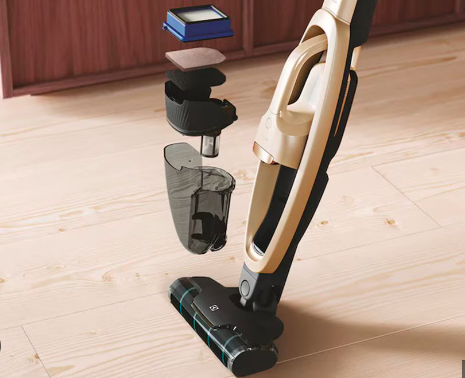
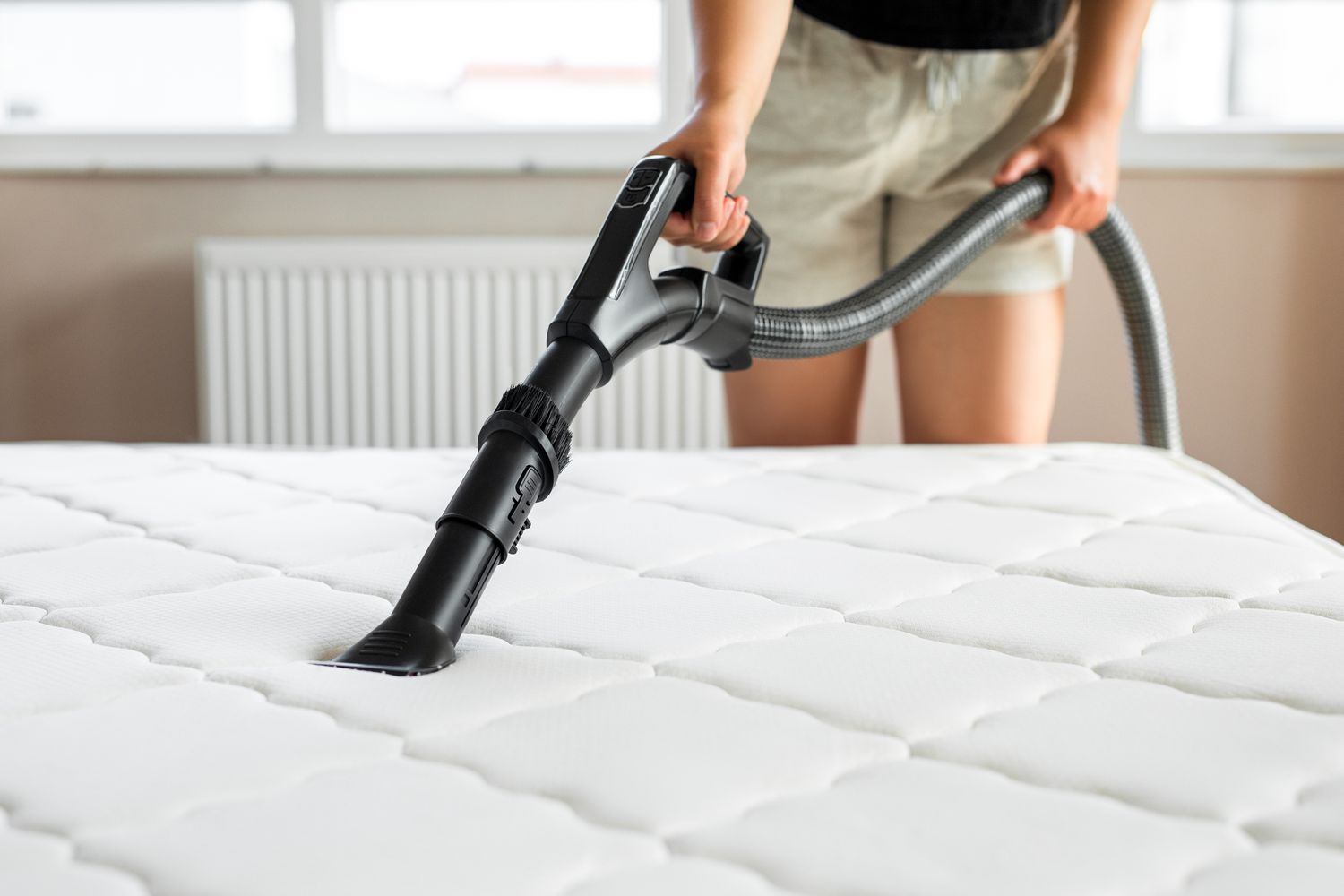
Vacuum your mattress using a HEPA-filtered dust mite vacuum cleaner.
-
Wash curtains or replace them with blinds that collect less dust.
Want a simpler way to keep your bedroom fresh and allergy-free? Customized residential cleaning services can help you maintain a spotless and healthy space without stress.
Living Room: Don’t Forget the Furniture
Dust mites don’t only live in bedrooms — they also love couches, rugs, and curtains. The living room is often a hidden hotspot for allergens. Try these cleaning strategies:
-
Vacuum upholstered furniture weekly using a dust mite vacuum or upholstery attachment.
-
Wash or steam-clean curtains every other week.
-
Choose blinds or shades instead of fabric window coverings when possible.
-
Replace wall-to-wall carpets with hardwood, tile, or laminate flooring for easier maintenance.
If replacing flooring isn’t an option, regular deep cleaning and vacuuming will still make a big difference.
Floors and Rugs: A Hidden Haven for Dust Mites
Carpets trap dust, pollen, and allergens, creating a perfect environment for dust mites. Even with regular vacuuming, they can linger deep within fibers. Here’s how to manage them:
-
Use a HEPA-filtered vacuum 2–3 times per week.
-
Deep-clean carpets quarterly using steam or professional cleaning services.
-
Shake out and wash area rugs outdoors at least once a month.
-
Mop hard floors with damp microfiber cloths to trap dust particles effectively.
Sweeping alone often stirs dust back into the air. Mopping traps particles, keeping your floors cleaner and your air fresher.
Air Quality Matters Too
Cleaning for dust mites involves more than just vacuuming and washing. Air quality plays a crucial role in controlling their growth.
-
Run a dehumidifier to maintain humidity levels below 50%.
-
Use HEPA-certified air purifiers in bedrooms and living spaces.
-
Replace HVAC filters regularly and schedule annual duct cleaning.
These steps reduce the humidity and airflow dust mites depend on, limiting their ability to thrive.
Why DIY Cleaning Isn’t Always Enough
Even with perfect cleaning habits, it’s easy to miss hidden corners and fabrics where dust mites accumulate. Professional cleaners have specialized tools, HEPA systems, and expertise to reach deep into upholstery and carpet layers that regular cleaning often misses.
If time, energy, or allergies make routine cleaning difficult, hiring a professional service can help. Trusted companies like Molly Maid offer customizable cleaning plans backed by the Neighborly Done Right Promise® — ensuring your home gets the thorough cleaning it deserves.
Pet Owners: Take Extra Precaution
Pets add warmth and joy to your home, but they can also make it easier for dust mites to thrive. Dander, fur, and shed skin cells are ideal food sources for these microscopic pests.
-
Wash pet beds and blankets weekly in hot water.
-
Vacuum areas where pets sleep or play most often.
-
Clean or replace air filters regularly to reduce pet dander buildup.
With consistent attention, you can manage both pet mess and dust mite allergens more effectively.
Set a Routine for Long-Term Relief
Controlling dust mites is not a one-time task. It requires consistent effort and an organized cleaning schedule targeting high-risk areas such as bedrooms, carpets, and HVAC systems.
Combine regular deep cleaning with smart product choices like HEPA vacuums, dehumidifiers, and air purifiers. Over time, you’ll notice fewer allergy symptoms, cleaner air, and an overall healthier living space.
Ditch the Dust and Breathe Better
If you’re tired of sneezing, itchy eyes, or constant dust build-up, it’s time to start cleaning for dust mites more strategically. From washing bedding in hot water to improving your air quality, small changes can have a big impact.
Whether you choose to tackle it yourself or get help from professional cleaners, maintaining a dust-mite-free home will help you breathe easier and live healthier every day.
FAQs About Getting Rid of Dust Mites
1. What is the fastest way to get rid of dust mites in your house?
The quickest approach is to wash all bedding in hot water, vacuum using a HEPA-filtered dust mite vacuum cleaner, and keep humidity below 50%. Professional cleaners can help eliminate mites from hidden areas.
2. How do I know if I have dust mites in my home?
You may not see them, but common signs include frequent sneezing, itchy eyes, nasal congestion, and worsened allergy symptoms, especially in the morning.
3. Does professional cleaning remove dust mites?
Yes. Professionals use advanced tools and deep-cleaning techniques to target dust mite hotspots and maintain a cleaner, healthier home.
4. Can vacuuming alone get rid of dust mites?
Vacuuming helps, but not all vacuums are effective. Use a HEPA-equipped vacuum for best results and combine it with washing fabrics and humidity control.
5. What areas of the home should I clean most for dust mites?
Focus on bedrooms, living room furniture, carpets, and pet areas. Wash fabrics, vacuum regularly, and manage air quality for long-term relief.